
By: Darrell M. West (TechTank)
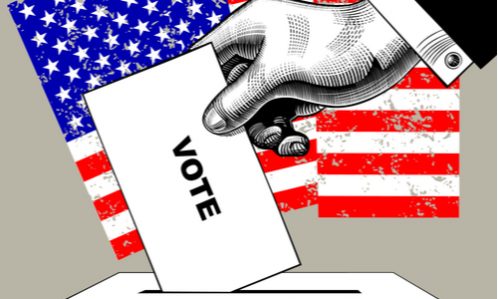
The recent use of an AI-generated video by the Republican National Committee (RNC) to criticize Joe Biden underscores the potential for AI to revolutionize our future elections. With advancements in digital technology, political messaging can now be conveyed more quickly and efficiently, ultimately altering how candidates, voters, and reporters perceive election campaigns. Unlike the past, where small alterations were made to pictures or people’s bodies, we are moving towards a time where entire digital creations can be produced and disseminated with ease. This ease of access, along with affordability, will result in a turbulent era of political propaganda, with limited ability to differentiate between real and fake information, and an uncertain impact on election results. In essence, we will face a Wild West of campaign claims and counter-claims…
Featured News
Judge Consolidates Antitrust Lawsuits Targeting Zillow-Redfin Rental Deal
Dec 1, 2025 by
CPI
NASCAR Antitrust Trial Opens in Federal Court with Michael Jordan in the Gallery
Dec 1, 2025 by
CPI
Goldman Strikes $2 Billion Deal to Acquire Innovator Capital
Dec 1, 2025 by
CPI
NY Becomes First State to Implement Law Regulating Algorithmic Pricing by Retailers
Dec 1, 2025 by
CPI
DC Weighs Antitrust Concerns Over Possible Netflix–HBO Max Merger
Dec 1, 2025 by
CPI
Antitrust Mix by CPI
Antitrust Chronicle® – Intellectual Property
Nov 19, 2025 by
CPI
Dealing in Intellectual Property: IP Justifications and Defenses in Digital Markets Cases
Nov 19, 2025 by
Jennifer Dixton
The Evolving Role of Innovation Theories of Harm in the Antitrust Analysis of Life Science Mergers
Nov 19, 2025 by
Michelle Yost Hale, Matthew D. McDonald & Merrill Stovroff
Who Can Fix It? Antitrust, IP Rights, and the Right to Repair
Nov 19, 2025 by
Rosa M. Morales
Copyright, Antitrust, and the Politics of Generative AI
Nov 19, 2025 by
Daryl Lim