The new angle in PYMNTS Intelligence’s latest Payment Processing Tracker, “Vertical-First Payments: How Low-Code Wins in Education, Healthcare and Field Services,” is how low-code tools are broadening access to modern payment infrastructure for vertical markets traditionally defined by manual processes and slow collections.
 The report outlined how low-code and no-code integrations are helping industry-specific platforms modernize financial workflows without requiring deep technical resources. These tools are reshaping operations in sectors where payment timelines, user experience and compliance pressures influence financial and consumer outcomes.
The report found that platforms are gaining traction by integrating payments directly into the systems that students, patients and professionals already use, reducing friction and accelerating cash flow.
Key data points include:
- According to TouchNet, 55% of college students in the United States juggle three or more funding sources for tuition. This contributes to fragmented payment experiences that low-code tools aim to unify.
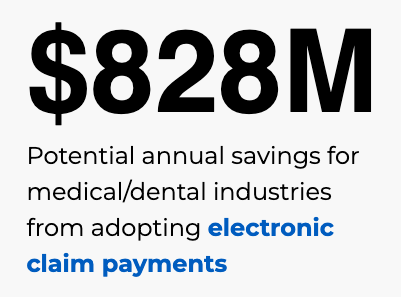
- Medical and dental providers could capture $828 million in potential annual savings through the adoption of electronic claim payments, based on estimates from the Council for Affordable Quality Healthcare.
- A lack of payment progress visibility was cited by 91% of professional services firms as their top challenge in B2B transactions, according to a Mastercard white paper.
Beyond these figures, the report highlighted sector-specific dynamics that explain why low-code embedded payments are gaining momentum.
Advertisement: Scroll to Continue
In education, students frequently navigate separate systems for enrollment, billing, financial aid and activity fees. That complexity is creating demand for platforms that streamline financial touchpoints. Meadow Pay, for example, uses low-code tools from Finix to consolidate payment plans, reminders and self-service features into a single interface. The report notes that campuses using Meadow saw a 47% increase in on-time payments, suggesting that integrated financial workflows may influence retention by reducing administrative stress for students and families.
Healthcare presents the different challenge of complex regulations, high administrative costs and inconsistent reimbursement timelines. Providers still handle paper forms and phone-based payments, which slow cash flow and frustrate patients. Only 44% of healthcare treasurers view their cash flow predictability as high.
Young consumers, who are accustomed to digital-first financial tools, reported more difficulty navigating healthcare bills, with 38% of Generation Z patients describing their most recent payment as moderately complex. Embedded payment tools can automate onboarding, simplify payouts and build transparency around what patients owe, which could reduce missed payments and improve adherence to care plans.
In professional and field services, mobility is central to the business model. Contractors completing jobs on-site often need to accept payments immediately, yet many still rely on paper invoices or phone-based card entry. Consumer preferences are shifting toward app-based payments, with nearly 4 in 10 customers favoring digital options for services such as plumbing or electrical work.
Low-code embedded offerings have allowed field-service platforms to provide branded invoicing, card-on-file features and real-time reconciliation, giving professionals faster access to funds and a more consistent way to track jobs and payments.
Low-code tools are becoming essential infrastructure for platforms operating in high-trust sectors, the report found. By prioritizing mobile access, reducing friction and pulling financial activity out of the back office and into the point of interaction, platforms can create experiences that feel cohesive and transparent. As vertical software ecosystems expand, integrated payments are emerging as a differentiator and a source of operational efficiency.